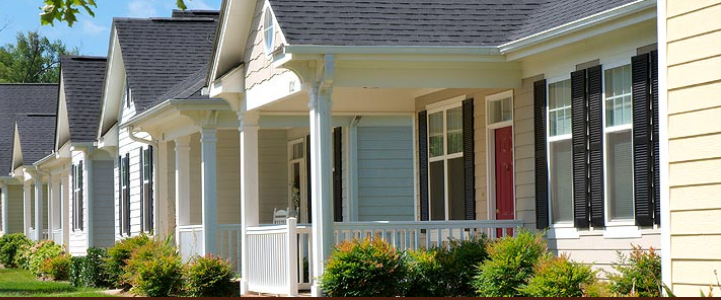
The skyline of Raleigh, North Carolina, has been marked by the cranes of progress for quite some time. Most recently, it’s the sound of hammers, the whirr of drills, and the symphony of saws that harmonize with the urban growth. Raleigh stands at the crossroads of a homebuilding boom that’s reshaping the residential landscape at a remarkable pace. But what exactly is fueling it?
A Perfect Storm of Factors
It’s always a confluence of factors that ignite such change. In Raleigh’s case, it’s a tale of tech, academia, and a growing economy. The Research Triangle Park, home to over a hundred global companies and a teeming hub for innovation, drives wealth and opportunity to the area. This hub, in turn, paves the way for strong demand for housing, as newcomers to the city seek to lay down roots.
Additionally, Raleigh—the heart of the Research Triangle—is flanked by prestigious universities, with NC State being a major influencer. This academic magnet not only supplies a young and educated workforce but also seeds an environment where new knowledge and startups thrive, creating a dynamic and attractive region for both domestic and international migration.
With the continuous influx of high-earning individuals, the local economy booms, and subsequently, the demand for housing explodes. Suburbs once far from the city center now find themselves in the spotlight, ripe for development. In turn, homebuilders are gleefully meeting the market’s demand with increased activity, building thousands of homes each year to accommodate Raleigh’s surging population.
The Sustainability Edge
The growth surge isn’t just about quantity; it’s also about quality. Raleigh Homebuilders are cognizant of the city’s commitment to sustainability and its green building policies. Energy efficiency, smart home technologies, and incorporation of green spaces into residential designs are no longer exclusivities but the norm. Homebuilding in the city has thus become a symbol of progress, one that blends modern conveniences with a deep respect for the environment and community welfare.
Developers are keen on building communities, not just homes. Integrating retail, restaurants, public transport provision, and walkability into housing projects is redefining the concept of living in the city. These holistic communities cater to a wide range of citizens, and their emphasis on functionality, comfort, and sustainability is contributing to a higher quality of life for Raleigh’s residents.
Navigating the Challenges Ahead
A housing boom is rarely without its challenges, and Raleigh is no exception. Rapid growth can strain infrastructure and community resources if not managed carefully. Local stakeholders, including policymakers, developers, and citizens, must work in tandem to ensure that roads, schools, and utilities can keep pace with the burgeoning population.
Furthermore, the affordability question looms large in Raleigh. With rising home prices, there is a risk that key workers, such as teachers and healthcare professionals, might struggle to find housing within the city. The challenge for homebuilders is to diversify their offerings, ensuring that they cater to a broad spectrum of buyers, thereby maintaining the city’s socio-economic diversity.
The Future Housing Fabric
What emerges from this homebuilding frenzy is a vision of Raleigh’s future—a metropolis blending the charm of the South with the innovation of a modern tech hub. The residential neighborhoods being erected today are the thread that will weave together the fabric of the city’s tomorrow. The question remains, in this rush for urban growth, how will Raleigh preserve its unique identity and foster a sense of community among its new denizens?
Raleigh’s homebuilders are at the forefront of this societal narrative, crafting not just homes but the very essence of the city’s future living spaces. Their story is one of innovation, adaptability, and responsiveness to the evolving needs of a burgeoning city. And as the hammers continue to swing, and the cranes dance against the city’s skyline, one thing is certain—Raleigh is building more than just houses; it’s constructing the foundations of a vibrant, sustainable, and inclusive home for generations to come.